close

MILITARY

COVER STORYMILITARYNavy

Goa Maritime Conclave 2026 Reinforces IOR Security Vision

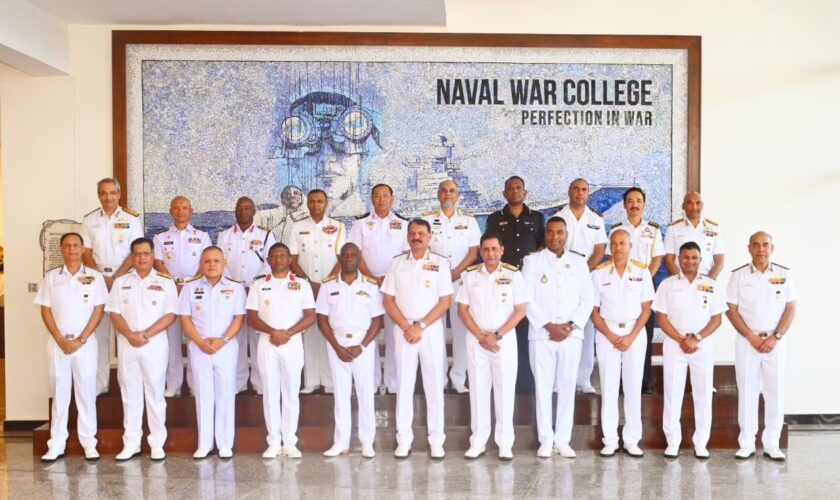
New Delhi: The 5th Edition of the Goa Maritime Conclave (GMC-26) was successfully conducted at Naval War College, Goa on 21 Feb 2026, bringing together Chiefs of Navies and senior maritime leaders from 15 Indian Ocean Region nations. The Conclave reaffirmed the collective commitment of regional partners to strengthen cooperative mechanisms aimed at addressing common maritime security challenges in the Indian Ocean Region (IOR).

Organised by the Indian Navy under the overarching theme of “Common Maritime Security Challenges in the IOR – Progressing Lines of Efforts (LsOE) to Mitigate Dynamic Threats”, GMC-26 underscored India’s continued role as a convenor of structured maritime dialogue and an enabler of collaborative security architecture in the region. Conducted in consonance with the Prime Minister’s vision of ‘ MAHASAGAR – Mutual and Holistic Advancement for Security and Growth Across Regions’, the conclave provided a structured platform for deliberations focused on actionable outcomes and collaborative implementation frameworks.

In his Keynote address, Admiral Arun Prakash, (Retd), former Chief of Naval Staff, highlighted that the evolving maritime security environment demands synchronised regional responses anchored in real-time information exchanges, institutionalised coordination mechanisms and sustained capacity development. He emphasised that addressing challenges such as Illegal, Unreported and Unregulated (IUU) fishing, trafficking networks and other transnational maritime crimes requires collective ownership and shared responsibility among IOR nations.
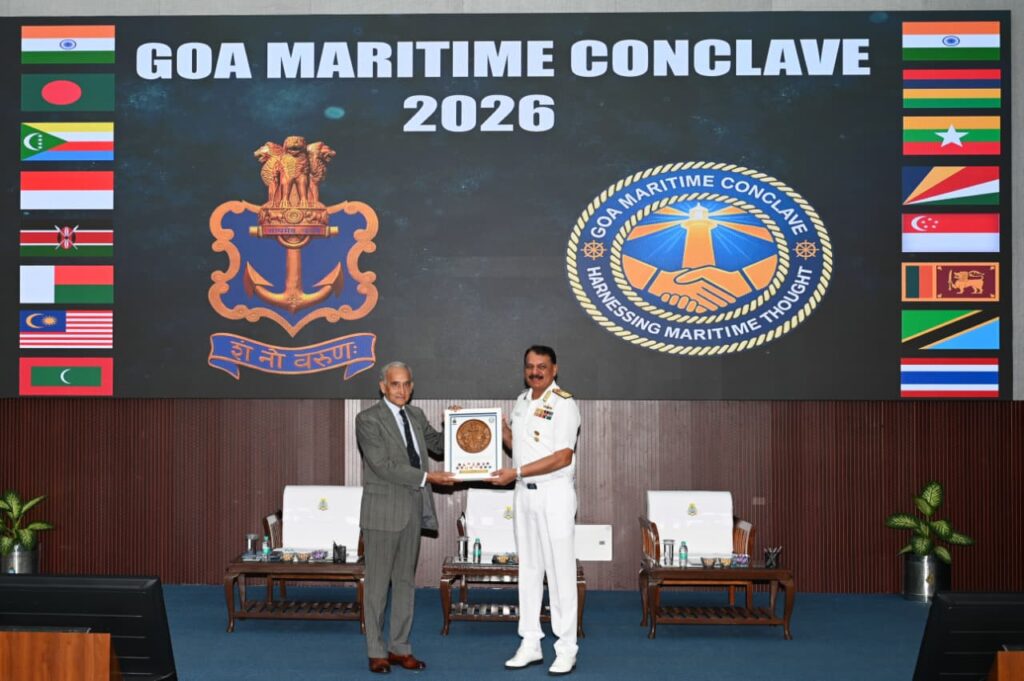
The first session moderated by Vice Admiral G Ashok Kumar, (Retd), former National Maritime Security Coordinator, focused on enhancing mechanisms for real-time exchanges of maritime information and operational coordination to counter IUU fishing, drug trafficking and other illegal maritime activities. The speakers in this session were Rear Admiral TVN Prasanna, of the Indian Navy and Colonel Amanulla Ahmed Rasheed from Maldives. Issues of trans-national significance like strengthening maritime domain awareness networks, interoperability of information-sharing systems and the need for structured institutional linkages to enable rapid and coordinated responses across jurisdictions were highlighted by the speakers.
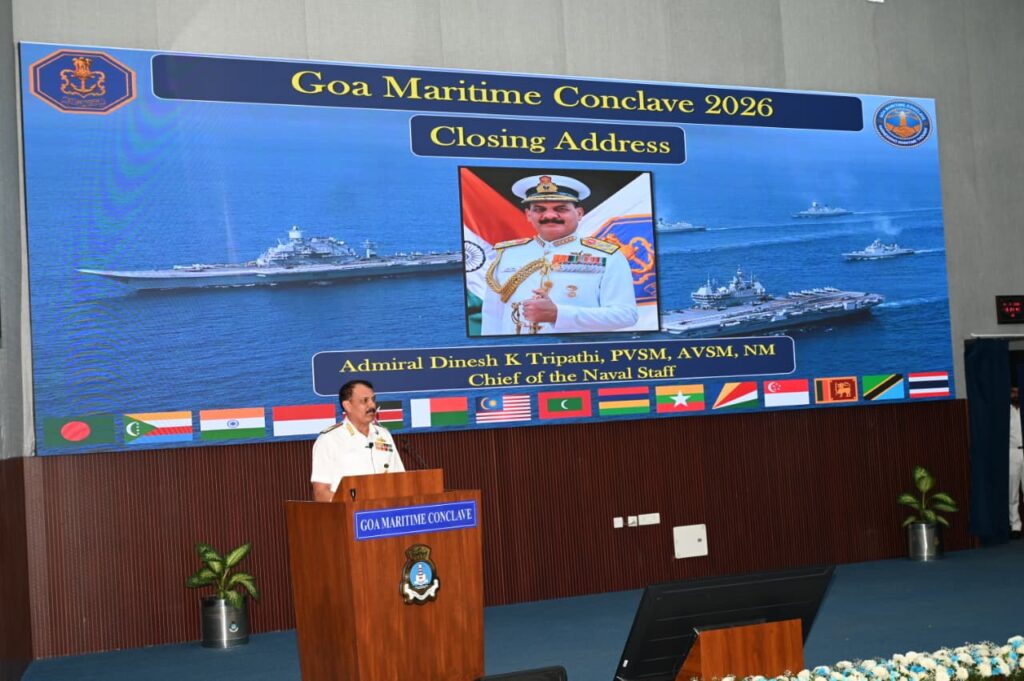
The second session examined collaborative pathways for capacity building and capability enhancement among maritime agencies of the IOR. Rear Admiral Srinivas Maddula, and Captain (IN) Ranendra S Sawan, Senior Fellow, National Maritime Foundation, shared their insights, with Admiral Karambir Singh, (Retd), former Chief of the Naval Staff and Chairman, National Maritime Foundation, moderating the session. The ensuing deliberations highlighted the importance of pooling regional training resources, expanding professional exchange programmes and strengthening institutional frameworks to ensure long-term maritime resilience. The session reinforced the understanding that sustainable maritime stability in the IOR is contingent upon coordinated capability development and structured cooperation.

read more
Air ForceCOVER STORYMILITARY

Vayushakti-26: IAF Exercise Held at Pokhran Range

New Delhi: The Indian Air Force (IAF) successfully conducted Exercise Vayushakti-26 at Pokhran Field Firing Range, Jaisalmer, demonstrating its formidable combat readiness, operational synergy and technological prowess across full spectrum of air operations.

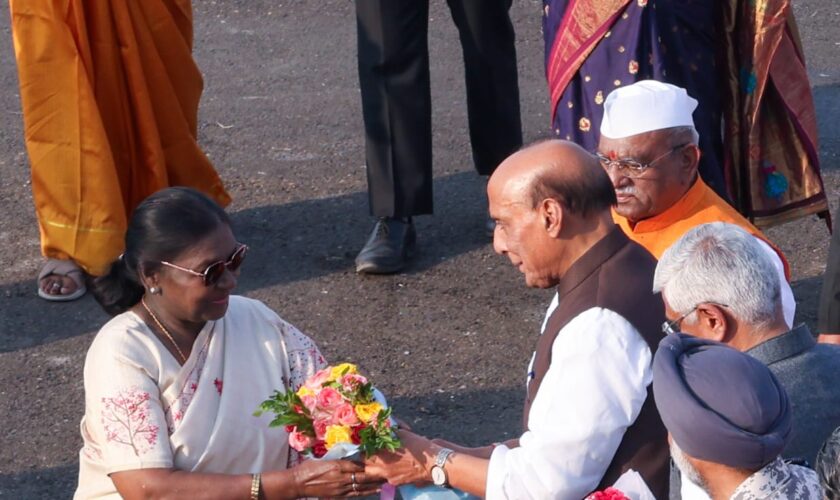
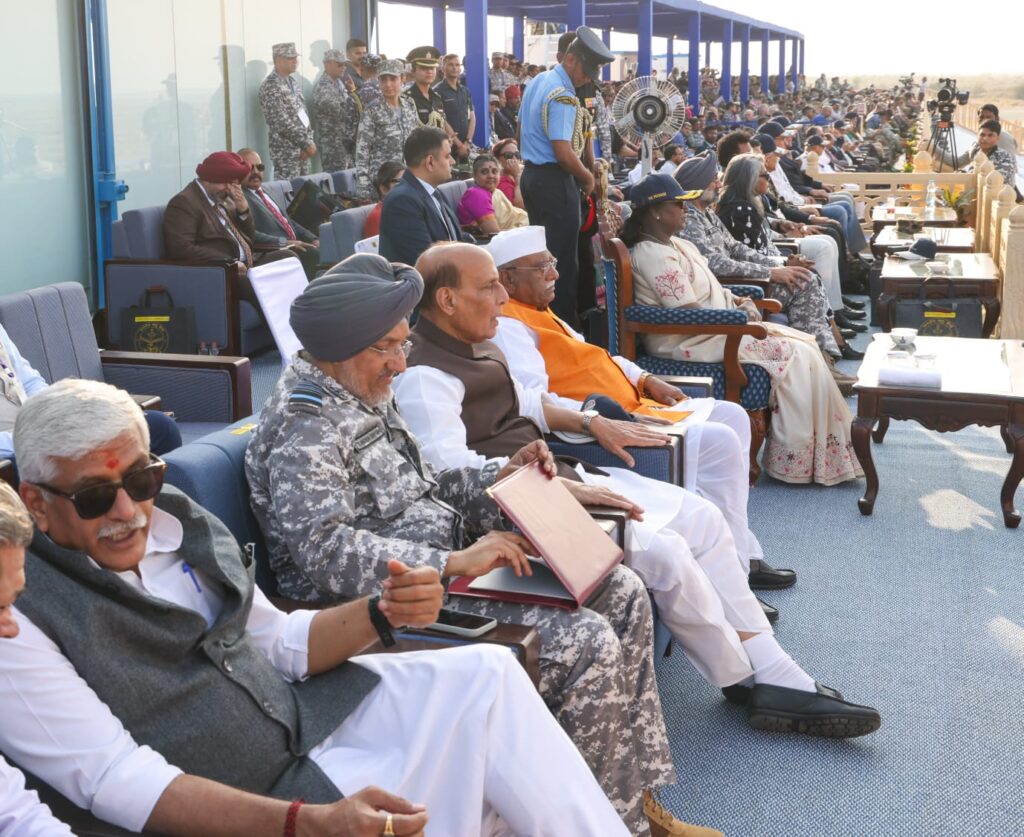
The President of India, Smt. Droupadi Murmu graced the Fire Power Demonstration as the Chief Guest, accompanied by esteemed dignitaries including the Hon’ble Governor of Rajasthan, Shri Haribhau Kisanrao Bagde, Hon’ble Raksha Mantri, Shri Rajnath Singh, Hon’ble Minister of Civil Aviation, Shri Kinjarapu Ram Mohan Naidu, Hon’ble Minister of Culture and Tourism, GS Shekhawat, Chief Information Commissioner, Shri Raj Kumar Goyal, Cabinet Secretary, Dr TV Somanathan, Chief of Defence Staff, Gen Anil Chauhan, Commanders-in-Chief of Indian Air Force and Indian Navy, Senior Officers of the three Services, Officers of the Centre and State Governments, DPSUS, Former Air Chiefs, Esteemed Veterans, Defence Attaches from friendly foreign countries, Indian and International media and School children.

The exercise showcased IAF’s capability to execute complex, integrated air operations within a dynamic and realistic battlefield environment. Earlier in the day, Hon’ble President also undertook a sortie in the indigenously developed LCH Prachand, reflecting India’s growing self-reliance in defence manufacturing under the vision of “Atmanirbhar Bharat”.

For the first time, Exercise Vayushakti was executed along a defined operational storyline, transforming into simulated live combat theatre. The exercise seamlessly integrated offensive air strikes, air defence operations. special forces missions and humanitarian assistance, highlighting IAF’s role as a multi-domain, integrated force and nation’s first responder.

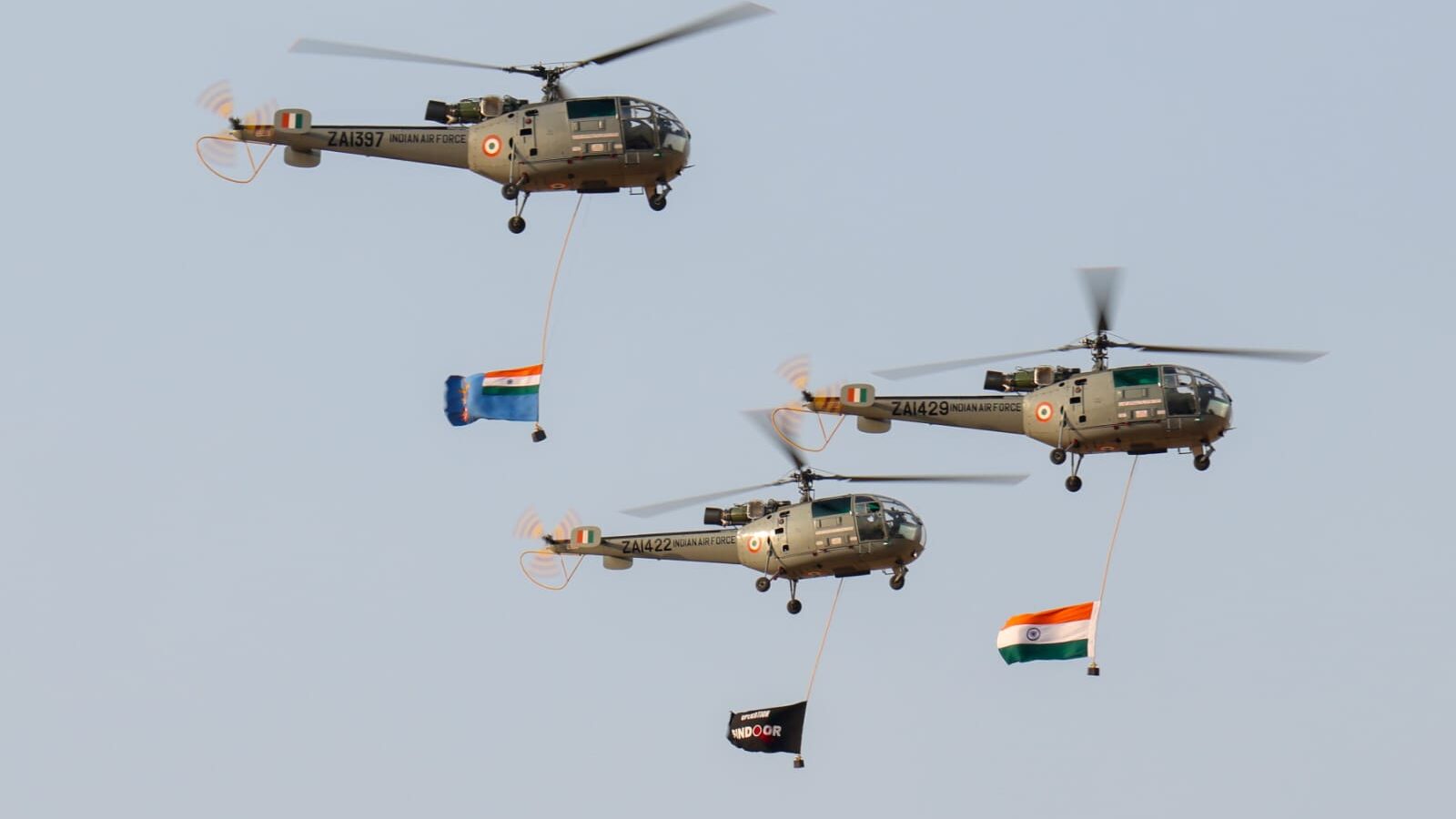
The exercise commenced with National Song and National Anthem, accompanied by a ceremonial flypast of Chetak helicopters carrying National Flag, Air Force Ensign and Operation Sindoor Flag. This was followed by a precisely timed sonic boom by a Rafale fighter, setting the stage for high-intensity combat missions.

Over 130 aircraft participated in a day and night exercise including Rafale, Su-30 MKI, Mirage-2000, MiG-29, Jaguar, Hawk, Mi-17, C-130J, C-295, C-17, the indigenous Advance Light Helicopter (ALH) Dhruv and Light Combat Helicopter (LCH) Prachand. Fighter aircraft executed precision strikes on simulated enemy targets using advanced air-to-ground weapons, including precision-guided munitions and long range strike capabilities, underscoring IAF’s ability to deliver decisive firepower with accuracy.

Air defence capabilities were demonstrated through coordinated engagements involving airborne platforms and ground based systems such as Akash and Spyder missile systems, supported by Army air defence assets, like L-70 and M-777 reflecting seamless jointmanship between air and ground forces. Special operations and humanitarian assistance missions formed a key component of the exercise. As dusk fell, Garud Special Forces, along with Para SF elements, were inserted by Mi-17 helicopters to conduct simulated urban intervention and hostage rescue operations. This was followed by assault landings and evacuation by C-130 and C-295 aircraft from Advanced Landing Ground, reaffirming IAF’s critical role in rapid response and casualty evacuation.

The night phase of exercise showcased integrated air defence and air-landed operations, followed by precision night strikes by multiple fighter platforms, demonstrating IAF’s capability to dominate the battlespace round-the-clock. The exercise concluded with a symbolic ceasefire fly-past by a C-17 aircraft, followed by a drone display celebrating IAF’s legacy and achievements.

Guided by its core values of “Achook, Abhedya aur Sateek”, Exercise Vayushakti-26 validated IAF’s operational doctrine, joint integration and technological capabilities reaffirming its role as a key enabler of India’s comprehensive national power and strategic deterrence.

read more